FLIP A COIN
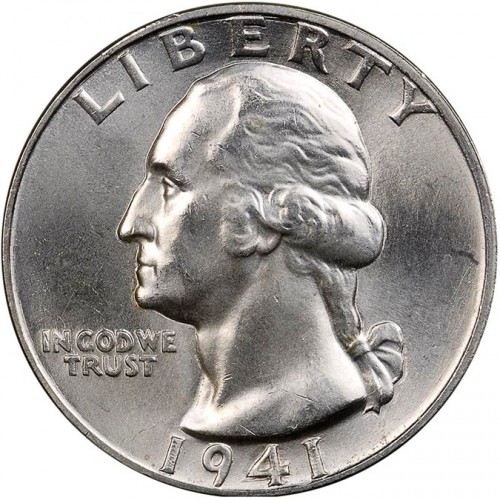
[ Press button or click coin ]
Meaning of flipping a coin
Certainly, let's delve into the history and cultural significance of coin tossing:
The act of flipping a coin to make decisions, often called "coin tossing" or "flipping a coin," has a rich history that spans many centuries and various cultures. The concept of using a coin as a tool for decision-making can be traced back to ancient times.
In ancient Rome, for instance, individuals used coins to make decisions by designating one side for a particular choice and the other for an alternative. The outcome was seen as the result of divine intervention, leaving the decision to the hands of the gods. These ancient coins often featured the faces of emperors or other important figures, and they were employed to bring an element of chance into various decisions.

Over time, the practice of coin tossing evolved and spread to other parts of the world. It became a simple and fair way to resolve disputes, make choices, or determine a course of action when no clear preference existed. The notion of fairness in a coin toss is rooted in the assumption that a fair coin, one that is not biased or weighted, will yield a random result.
In modern times, coin flips remain a popular method for making impromptu, impartial decisions. They are frequently used to decide who goes first in a game, who pays the bill at a restaurant, or which team kicks off in sports matches. Coin flips are particularly useful in situations where there is no clear advantage to either option, and the element of chance is desirable.
Furthermore, coin tossing has made its way into popular culture and historical events. One famous example is the Apollo 11 moon landing mission in 1969, where a coin toss determined whether Neil Armstrong or Buzz Aldrin would be the first person to walk on the moon. Armstrong, as history records, won the toss and took that historic step.
So, while the act of flipping a coin may seem like a simple and everyday occurrence, it has a deep-rooted history and cultural significance that spans centuries, making it a fascinating aspect of human decision-making. Whether used in ancient Rome or to decide who pays for lunch, the coin toss remains a symbol of randomness and impartiality, leaving important decisions up to fate.
What is the Coin Flip Psychology
Coin flip psychology is a field of study that explores the cognitive and emotional aspects of decision-making through coin flips. It delves into how individuals perceive and react to the outcomes of coin tosses, as well as the psychological factors that influence their choices in such situations.
The Perception of Randomness
One significant aspect of coin flip psychology is the concept of "randomness perception." People often struggle to understand and accept randomness. They may attribute patterns or significance to a series of coin tosses, even though each toss is statistically independent. Researchers in this field study why individuals tend to see patterns or anticipate specific outcomes in inherently random processes.
Emotions and Coin Flip Outcomes
Another area of interest is the emotional impact of coin flips. The outcome of a coin toss can evoke various emotions, such as relief, disappointment, or frustration. Coin flip psychology examines how these emotional reactions can affect subsequent decisions and behaviors.
Decision-Making Under Uncertainty
Furthermore, coin flip psychology is related to risk and uncertainty. Researchers investigate how individuals use coin flips as a tool to deal with difficult decisions or ambiguous situations. The choice to leave a decision to chance can reveal insights into one's risk tolerance and decision-making strategies.
In conclusion, coin flip psychology is a multidisciplinary field that draws from psychology, cognitive science, and behavioral economics to better understand how people engage with randomness, make choices under uncertainty, and interpret the outcomes of simple coin tosses.
Famous Coin Flips
Coin flips have been used in various historical and cultural contexts to make significant decisions or determinations. Here are a few famous examples:
Apollo 11 Moon Landing (1969): One of the most famous coin flips in history occurred during the Apollo 11 mission to the moon. Astronauts Neil Armstrong and Buzz Aldrin had to decide who would be the first to walk on the lunar surface. They used a simple silver dollar for the coin toss, with Armstrong calling "heads." Armstrong won the toss and made history as the first person to set foot on the moon.
Chicago Cubs Ownership (1981): he Chicago Cubs, a Major League Baseball team, were at a crossroads regarding ownership. A coin toss between the two owners, the Wrigley family and the Tribune Company, determined the new controlling interest of the team. The Tribune Company won the toss and eventually took control of the Cubs.
Super Bowl XLVI (2012): The Super Bowl is one of the most-watched sporting events in the United States. In Super Bowl XLVI, the New England Patriots and the New York Giants were tied in the opening coin toss, which led to an unusual second coin toss to determine which team would receive the kickoff. The Giants won the toss and went on to win the game.
NASA's Mars Rover (2012): NASA used a coin flip to determine the landing site for the Curiosity rover on Mars. The decision was made between two potential landing sites, and the coin flip favored the Gale Crater, which turned out to be a scientifically significant choice.
These famous coin flips highlight how a simple, random act can have a profound impact on history, science, and even sports. Coin tosses are not only a symbol of impartiality but also a fascinating part of our cultural and historical tapestry.
Frequently Asked Questions - FAQ
How do you properly flip a coin?
To properly flip a coin, hold it between your thumb and forefinger, ensuring that both sides of the coin are visible. With a flick of your wrist, toss it into the air, making it spin. The key is to give the coin a good, clean flip, allowing it to rotate before it descends.
What's the significance of heads or tails when flipping a coin?
The choice between heads and tails is essentially arbitrary. However, it's a common convention to have one side, often "heads," with a recognizable image or symbol, while the other side is "tails." The significance lies in the random outcome and not in the actual images.
Is it really a 50-50 chance when flipping a coin?
Yes, it's indeed a 50-50 chance when flipping a fair coin. This means that, theoretically, there's an equal probability of it landing on either heads or tails. It's the very essence of randomness.
Why do people use coin flips to make decisions?
Coin flips are used for decisions when there's no clear preference or when both options are equally appealing. It's a quick, impartial way to leave a decision up to fate, which can be useful in settling disputes or making choices between friends.
What are some common situations where coin flips are used?
Coin flips are often used to decide who goes first in a game, who pays for dinner, or which team kicks off in a sports match. In essence, they're employed in any situation where a random decision is needed.
Are there any superstitions associated with coin flips?
While not a widespread superstition, some believe that certain coins bring luck. For instance, a coin with a particular year might be considered lucky. But remember, the outcome of the flip itself is still purely random.
Can a coin flip be rigged to land on a specific side?
Rigging a coin flip is extremely difficult, especially with a well-worn coin. However, if someone is skilled at flipping and catching the coin, they might have some influence over the outcome, but it's still quite unpredictable.
What's the origin of the expression "calling heads or tails"?
The expression likely originates from the act of calling out one's choice (heads or tails) before the coin is flipped. It's a way to make the decision-making process transparent and fair.
Are there any professional or competitive coin flipping events?
Surprisingly, there are competitive coin flipping events in some places. These events often involve intricate rules, and participants may compete to land the coin closest to a target.
Is there a specific technique for a fair coin toss?
A fair coin toss involves a simple but skillful flip, aiming to provide the coin with a bit of spin for randomness. It's less about technique and more about ensuring an unbiased outcome.